
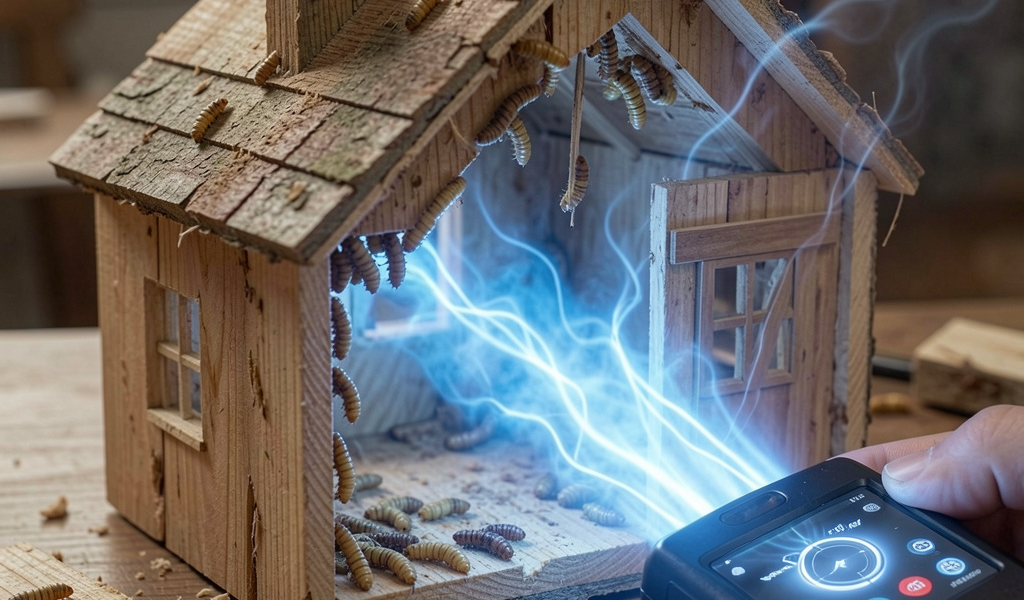

Woodworm is one of the most common timber problems affecting homes, heritage buildings, furniture, and wooden structures across Europe. Homeowners are often advised to improve ventilation as part of a woodworm prevention strategy, and while good airflow is certainly beneficial, ventilation alone is not enough to eliminate an active woodworm infestation.
Many people mistakenly believe that opening windows, improving attic ventilation, or reducing humidity will immediately solve a woodworm problem. In reality, once wood-boring beetle larvae are already living inside timber, they continue feeding beneath the surface regardless of improved airflow. Ventilation is an important preventive measure, but it should be viewed as one part of a complete timber preservation plan, not a standalone treatment.
In this guide, we’ll explain why ventilation matters, its limitations, and what additional steps are needed to protect your timber from long-term woodworm damage.Visit online https://www.shashel.eu for more details .
What Is Woodworm?
Despite the name, woodworm is not actually a worm. It refers to the larval stage of several species of wood-boring beetles that tunnel through timber while feeding on cellulose.
Common species include:
- Common Furniture Beetle (Anobium punctatum)
- Deathwatch Beetle (Xestobium rufovillosum)
- House Longhorn Beetle (Hylotrupes bajulus)
- Powderpost Beetles (Lyctus species)
The larvae spend most of their lives hidden inside the wood, making infestations difficult to detect until damage becomes visible.
Why Moisture Attracts Woodworm
Many wood-boring beetles prefer timber with elevated moisture levels because damp wood is generally easier for larvae to develop in and is often associated with fungal activity that can make the timber more suitable for infestation.
Common causes of damp timber include:
- Roof leaks
- Plumbing leaks
- Poor ventilation
- Condensation
- Blocked gutters
- Water ingress
Reducing moisture is therefore an important step in making your home less attractive to wood-boring insects.
The Role of Ventilation
Good ventilation helps by:
- Lowering indoor humidity.
- Drying damp timber.
- Reducing condensation.
- Improving airflow in roof spaces.
- Discouraging fungal growth.
These benefits create less favorable conditions for future infestations and contribute to the long-term health of wooden structures.
However, ventilation does not kill woodworm that is already inside the timber.
Why Ventilation Alone Doesn’t Eliminate Woodworm
Once eggs hatch, woodworm larvae tunnel deep into the wood where they feed for several years.
Improving airflow around the timber does not remove or kill these hidden insects.
The larvae remain protected inside their tunnels until they mature and emerge as adult beetles.
This means that although ventilation reduces moisture, it does not directly eliminate an active infestation.
Understanding the Woodworm Life Cycle
A typical woodworm life cycle includes:
- Adult beetles lay eggs on exposed timber.
- Eggs hatch into larvae.
- Larvae tunnel inside the wood for several years.
- Pupae develop inside the timber.
- Adult beetles emerge through small exit holes.
Most of the damage occurs during the larval stage, when the insects are completely hidden from view.
Because they remain inside the timber, environmental improvements alone cannot reach them.
Signs of an Active Infestation
If you notice any of the following, ventilation alone is unlikely to solve the problem:
- Fresh round exit holes
- Fine powdery wood dust (frass)
- Weak or crumbling timber
- Beetles emerging during warmer months
- Increasing numbers of holes each year
These signs suggest that professional inspection is advisable.
What Ventilation Can Do
Although it cannot eliminate existing insects, ventilation plays an important preventive role.
It can help:
- Lower moisture content in timber.
- Slow conditions that favor future infestations.
- Reduce fungal decay.
- Improve the overall health of wooden structures.
- Support long-term maintenance.
Think of ventilation as prevention, not treatment.
Effective Ways to Treat Active Woodworm
When an infestation is active, additional treatment is usually required.
Depending on the situation, a professional may recommend:
- Approved chemical woodworm treatments.
- Microwave woodworm treatment.
- Localized timber repairs.
- Replacement of severely damaged structural wood.
The most suitable option depends on the extent of the infestation and the condition of the timber.
Microwave Woodworm Treatment
One increasingly popular chemical-free option is microwave woodworm treatment.
Instead of using pesticides, professional equipment generates controlled heat inside the timber through dielectric heating.
The treatment is intended to eliminate:
- Woodworm larvae
- Beetle eggs
- Pupae
- Adult beetles
Benefits
- Chemical-free
- No pesticide residues
- Targeted treatment
- Environmentally friendly
- Suitable for heritage buildings
- Preserves original timber where possible
Ventilation vs. Woodworm Treatment
| Feature | Improved Ventilation | Professional Woodworm Treatment |
|---|---|---|
| Reduces Moisture | Yes | Sometimes as part of advice |
| Prevents Future Problems | Yes | Helps when combined with maintenance |
| Eliminates Active Woodworm | No | Yes, depending on the treatment method |
| Protects Timber Long-Term | Yes | Yes, when followed by preventive care |
The best results are achieved when proper treatment is combined with improved ventilation and ongoing maintenance.
Preventing Future Infestations
After treatment, reduce the risk of reinfestation by:
- Repairing roof leaks promptly.
- Improving roof-space ventilation.
- Fixing plumbing leaks.
- Keeping timber dry.
- Reducing indoor humidity.
- Cleaning gutters regularly.
- Inspecting wooden structures annually.
These steps create conditions that are less attractive to wood-boring beetles.
Common Myths About Ventilation
Myth 1: Opening Windows Kills Woodworm
Fact: Better airflow helps reduce moisture, but it does not eliminate larvae already living inside timber.
Myth 2: Dry Timber Can Never Get Woodworm
Fact: Dry timber is generally less attractive to many wood-boring beetles, but infestations can still occur depending on the beetle species and environmental conditions.
Myth 3: Ventilation Replaces Professional Treatment
Fact: Ventilation supports prevention but is not a substitute for treating an active infestation.
When Should You Contact a Professional?
Professional advice is recommended if:
- Fresh frass continues appearing.
- New exit holes develop.
- Structural timber is affected.
- Valuable furniture shows signs of infestation.
- Moisture problems persist despite improved ventilation.
- You’re unsure whether the infestation is active.
A qualified timber preservation specialist can inspect your property, identify the cause of the infestation, and recommend the most effective treatment and prevention plan.
Conclusion
Good ventilation is an essential part of protecting wooden homes because it helps reduce moisture, improve indoor conditions, and discourage future woodworm activity. However, it is not a cure for an active infestation. Once woodworm larvae are living inside timber, they continue feeding beneath the surface regardless of improved airflow.
The most effective long-term strategy combines proper ventilation with early detection, regular inspections, moisture control, and professional treatment when necessary. Whether your property requires a chemical treatment, microwave woodworm treatment, or localized repairs, addressing both the infestation and the underlying moisture conditions provides the best protection for your timber and your home.
