
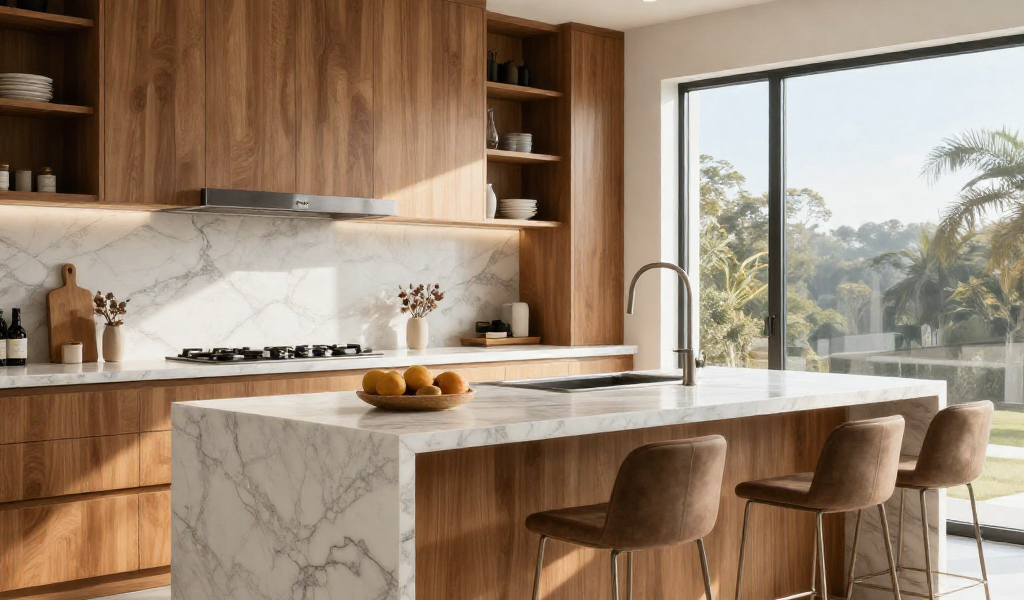

Interior design has shifted toward spaces that combine long-term performance with timeless style. Whether for homes, healthcare facilities, hospitality venues, or commercial properties, custom interior surface solutions have become an essential part of creating environments that meet both functional and aesthetic expectations.
At Hyundai L&C, quality surface materials support designers, architects, builders, and property owners looking for dependable solutions that fit unique project requirements.
Why Custom Interior Surface Solutions Matter
No two interior projects have the same goals. A residential kitchen prioritizes everyday durability, while a healthcare environment demands surfaces that are easy to clean and maintain. Retail spaces may focus on creating memorable customer experiences, whereas office interiors often balance appearance with practicality.
Custom interior surface solutions allow every project to address its own priorities without relying on one-size-fits-all materials. By selecting surfaces based on intended use, designers can improve both the visual appeal and long-term functionality of an interior.
Some of the advantages include:
- Greater design flexibility
- Better space utilization
- Improved durability
- Easier maintenance
- Long-term value for property owners
Choosing materials based on the needs of each project often results in better overall performance throughout the life of the installation.
Understanding the Characteristics of Quality Interior Surfaces
Selecting the right material involves much more than choosing a color or finish. Interior surfaces contribute to daily usability, maintenance requirements, and overall user experience.
Important characteristics include:
- Resistance to everyday wear
- Low maintenance requirements
- Consistent appearance
- Compatibility with various interior styles
- Reliable fabrication options
These qualities help ensure that surfaces continue performing well despite frequent daily use.
How Custom Interior Surface Solutions Support Different Industries
Residential Applications
Homeowners often want interiors that balance beauty with practical living. Kitchens, bathrooms, laundry rooms, and entertainment spaces all experience different levels of daily activity.
Custom solutions allow homeowners to select materials that complement cabinetry, flooring, lighting, and architectural details while supporting everyday routines.
Common residential applications include:
- Kitchen countertops
- Bathroom vanities
- Shower surrounds
- Kitchen islands
- Window sills
- Laundry room workspaces
Healthcare Facilities
Healthcare environments require surfaces that contribute to cleanliness and operational efficiency.
Common applications include:
- Reception counters
- Nursing stations
- Patient bathrooms
- Laboratory work surfaces
- Examination rooms
Smooth, nonporous surfaces are often selected because they simplify cleaning and help maintain hygienic environments.
Hospitality Projects
Hotels, restaurants, resorts, and entertainment venues place high demands on interior materials.
Surfaces frequently appear in:
- Guest bathrooms
- Reception desks
- Restaurant counters
- Bar tops
- Buffet stations
- Lounge areas
These spaces benefit from materials that maintain their appearance despite continuous guest traffic.
Commercial Offices
Modern workplaces emphasize collaboration while maintaining professional aesthetics.
Custom interior surface solutions are commonly used for:
- Conference tables
- Reception areas
- Break rooms
- Workstations
- Collaborative spaces
Well-designed surfaces contribute to a polished appearance while supporting daily business operations.
Design Flexibility Creates Better Spaces
One of the greatest advantages of custom interior surface solutions is design freedom.
Rather than forcing layouts around standard materials, designers can create surfaces that fit the intended space.
Customization may include:
- Unique shapes
- Curved installations
- Integrated features
- Large continuous surfaces
- Coordinated finishes
This flexibility allows projects to better reflect architectural concepts while meeting practical needs.
Material Selection Should Match Project Requirements
Every project presents different performance expectations.
Before selecting interior surfaces, consider several factors:
Daily Usage
Areas with constant activity require materials capable of handling repeated use while maintaining their appearance.
Maintenance Expectations
Facilities with limited maintenance resources often benefit from surfaces that require simple routine cleaning.
Overall Design Style
Interior materials should support the project’s architectural vision, whether modern, transitional, industrial, or traditional.
Long-Term Performance
Instead of focusing only on initial appearance, designers should evaluate how surfaces will perform years after installation.
Choosing materials with long service lives often reduces replacement costs over time.
Fabrication Quality Makes a Difference
Even premium materials depend on proper fabrication.
Precision fabrication helps achieve:
- Accurate dimensions
- Smooth edges
- Proper joint alignment
- Consistent finish quality
- Better installation results
Experienced fabrication teams understand how different materials behave during cutting, shaping, and installation.
Attention to these details contributes to the finished appearance and long-term durability of the project.
Sustainability Is Becoming a Greater Priority
Many modern construction projects now include sustainability objectives during planning.
Material selection may influence:
- Product longevity
- Waste reduction
- Replacement frequency
- Resource efficiency
Choosing durable interior surfaces that maintain performance for many years can contribute to more sustainable building practices by reducing the need for frequent replacement.
The Role of Color and Texture
Interior surfaces influence how occupants experience a space.
Lighter colors often create a brighter, more open appearance, while darker tones introduce contrast and sophistication.
Texture also affects visual interest.
Popular approaches include:
- Matte finishes
- Polished surfaces
- Natural stone-inspired patterns
- Contemporary solid colors
- Neutral palettes
Thoughtful coordination between surface materials and surrounding finishes creates a cohesive interior design.
Planning for Future Needs
Successful projects consider not only present requirements but also future adaptability.
As businesses expand or homeowners renovate, flexible design solutions make future modifications easier.
During planning, consider:
- Expected occupancy changes
- Daily traffic levels
- Maintenance capabilities
- Potential renovations
- Long-term design consistency
Planning ahead often reduces future remodeling costs and minimizes disruption.
Collaboration Improves Project Outcomes
Interior projects typically involve multiple professionals working together.
These may include:
- Architects
- Interior designers
- Builders
- Fabricators
- Project managers
- Property owners
Early collaboration helps align design goals with construction requirements.
Sharing specifications during the planning stage can reduce installation issues while improving scheduling and project coordination.
Common Mistakes to Avoid
Selecting interior surfaces involves more than visual preferences.
Some common mistakes include:
- Prioritizing appearance over performance
- Ignoring maintenance requirements
- Choosing materials without considering installation conditions
- Overlooking fabrication quality
- Failing to coordinate surfaces with the overall design
Avoiding these issues helps create interiors that remain attractive and functional long after project completion.
Trends Shaping Modern Interior Surface Design
Interior design continues to evolve alongside changing lifestyles and workplace expectations.
Several trends continue influencing surface selection:
- Larger seamless installations
- Nature-inspired colors
- Minimalist aesthetics
- Multi-functional spaces
- Durable low-maintenance materials
- Integrated work and living environments
These trends emphasize balancing visual simplicity with practical performance.
Practical Tips for Choosing Custom Interior Surface Solutions
When evaluating options, keep these recommendations in mind:
- Clearly define the purpose of each space.
- Match material characteristics to expected daily use.
- Consider maintenance requirements before making a selection.
- Coordinate colors with the overall interior design.
- Work with experienced fabricators and installers.
- Review samples under actual lighting conditions.
- Plan for future remodeling or expansion.
- Invest in materials designed for long-term performance.
Following these steps helps reduce costly changes while supporting successful project outcomes.
Final Thoughts
Creating interior spaces that perform well over time requires careful planning, quality materials, and expert craftsmanship. Custom interior surface solutions help meet the unique demands of residential, healthcare, hospitality, retail, and commercial environments by combining functionality with lasting visual appeal.
By partnering with Hyundai L&C, architects, designers, builders, and property owners can access surface materials designed to support both creative design goals and long-term performance. Thoughtful material selection and professional fabrication contribute to interiors that remain durable, attractive, and practical for years to come.
