
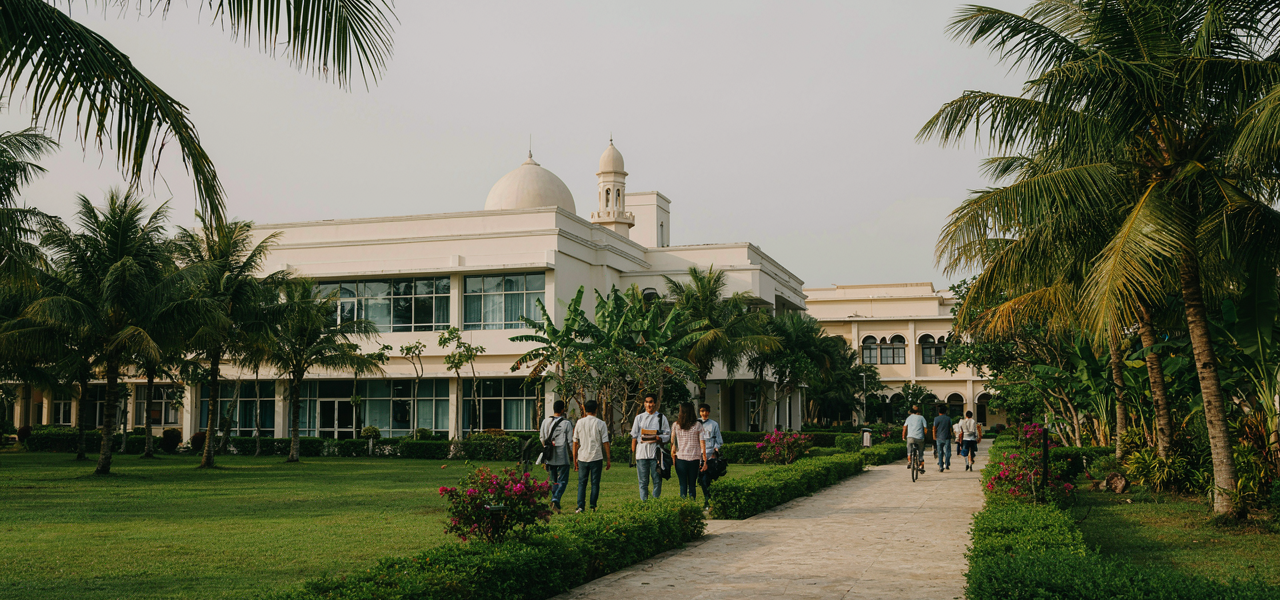

University life is not only about attending classes, completing assignments, and preparing for examinations. It also provides students with opportunities to explore their interests, develop new skills, and build relationships with other students. Student organizations and extracurricular activities are important parts of this experience because they help students grow both academically and personally.
At Universitas Islam Sultan Agung (UNISSULA), students have opportunities to participate in different student organizations, campus activities, and extracurricular programs. These activities allow students to explore their interests, improve their communication skills, and take part in university life beyond the classroom.
unissula encourages students to develop their abilities through academic organizations, sports, cultural activities, religious programs, and other student-led initiatives. These opportunities help create an active campus environment where students can learn, collaborate, and prepare for their future careers.
Student Organizations at UNISSULA
Student organizations provide a platform where students can share ideas, organize activities, and work together toward common goals. These organizations also help students develop leadership and teamwork skills.
At UNISSULA, student organizations allow students to become involved in different areas of university life. Students can participate in activities related to academic development, social services, sports, culture, and other interests.
By joining an organization, students can meet people from different academic backgrounds and learn how to work as part of a team. They may also have opportunities to organize events, manage projects, and represent other students in university activities.
These experiences help students become more confident and responsible while developing skills that are useful in professional environments.
Student Executive Organizations
Student executive organizations play an important role in representing student interests and organizing campus activities. They provide opportunities for students to participate in university discussions, plan events, and develop leadership abilities.
Through these organizations, students can learn how to manage responsibilities, coordinate with different groups, and organize activities for the campus community.
Student representatives may also help communicate student concerns and ideas to university authorities. This creates opportunities for students to participate in discussions about campus life and student development.
Being involved in student leadership can help individuals improve their decision-making, communication, and organizational skills.
Academic and Faculty-Based Organizations
Academic organizations give students opportunities to develop knowledge and skills related to their chosen fields of study. These organizations can arrange seminars, workshops, discussions, training sessions, and other educational activities.
Students can participate in activities that support their academic interests and help them understand subjects beyond their regular classroom lessons.
For example, students studying medicine may take part in health-related educational activities, while engineering and technology students may explore technical projects and innovation.
Faculty-based student organizations also provide opportunities to connect with classmates, lecturers, and other academic communities. These connections can support learning and create useful relationships for future professional development.
Sports and Physical Activities
Sports are an important part of student life because they promote physical fitness, teamwork, and discipline. Participating in sports activities also gives students an opportunity to relax and enjoy their time outside academic responsibilities.
UNISSULA provides a university environment where students can explore sports and physical activities through available campus programs and student interests.
Students may participate in sports such as football, badminton, basketball, volleyball, and other recreational activities, depending on the opportunities offered by their campus organizations.
Sports activities encourage students to work together, respect other participants, and develop a positive competitive spirit. They can also help students maintain a healthy balance between academic responsibilities and personal well-being.
Cultural and Artistic Activities
Cultural and artistic activities allow students to express their creativity and explore different forms of art and cultural traditions.
Students interested in music, dance, performance, photography, and other creative areas can explore opportunities to develop their talents through extracurricular activities.
These activities can also help students understand different cultures and appreciate the creative abilities of others.
Cultural events and artistic performances create opportunities for students to share their talents with the university community. They also make campus life more enjoyable and encourage students to participate in activities outside their academic programs.
Religious and Spiritual Activities
As an Islamic university, UNISSULA places importance on religious and moral development alongside academic education. Religious and spiritual activities provide opportunities for students to strengthen their understanding of Islamic values and develop positive personal habits.
Students can participate in religious discussions, Islamic learning activities, community programs, and other spiritual initiatives available through university and student organizations.
These activities encourage students to develop discipline, honesty, respect, and responsibility.
They also provide opportunities for students to connect with others who share similar interests in religious learning and personal development.
Volunteering and Social Activities
Volunteering and social activities help students understand the importance of contributing to society. Through these initiatives, students can participate in community service projects and support people who need assistance.
Such activities may include educational support, social awareness campaigns, environmental initiatives, and community development programs.
Participating in volunteer activities helps students understand real-world challenges and develop a stronger sense of social responsibility.
Students also gain practical experience in teamwork, communication, planning, and problem-solving. These skills can be valuable in their future academic and professional lives.
Leadership Development and Student Skills
One of the major benefits of joining student organizations is the opportunity to develop leadership skills.
Students involved in campus organizations often have opportunities to organize meetings, manage activities, coordinate events, and work with different groups.
These responsibilities help them understand how to make decisions, solve problems, and manage their time effectively.
Extracurricular activities also encourage students to become more confident when speaking in public and presenting their ideas.
The experience gained through these activities can help students prepare for professional responsibilities after graduation.
Benefits of Extracurricular Activities for Students
Extracurricular activities offer several benefits that support students throughout their university journey. They provide opportunities to develop skills that may not always be covered in regular classroom lessons.
Students can improve their communication abilities, build friendships, explore personal interests, and gain practical experience.
Participation in different campus activities can also help students discover their strengths and understand which areas they want to explore in the future.
Furthermore, extracurricular involvement can make university life more enjoyable and help students maintain a healthy balance between studying and personal development.
Conclusion
Student organizations and extracurricular activities are important parts of university life at UNISSULA. They provide students with opportunities to develop leadership skills, explore their interests, participate in sports and cultural activities, and contribute to society.
Through academic organizations, student leadership, religious programs, and social initiatives, students can gain valuable experiences beyond the classroom.
